Are you an organization, grassroot organization, church, school, individual looking for regenerative solution, in areas like, regenerative urban farming, sustainable agriculture, Jobs and Livelihoods, climate solutions, biodiversity, nutrition and environment protection, waste management, circular economy?
We are looking for partners who see the world as interconnected and are ready to engage as holistic system solutionists. Whether through funding, expertise, materials, networks, or creative collaboration, partners help bring Regenerative Life Gardens to life and scale their impact across communities.
We welcome individuals and organizations who can contribute in flexible ways supporting one project, a series of initiatives, or ongoing collaboration, so that together we can strengthen household food systems, restore soil, support livelihoods, and foster resilient, future-ready communities.
How you can get involved
Funding & Resource
Partner with us through financial and material support to scale RLGs, to help accelerating food security, climate action, and livelihood while restoring ecosystems in vulnerable communities.
Technical Expertise
Share knowledge in soil health, water systems, urban design, household food systems, or regenerative agriculture.
Educational Support
Design or deliver training, workshops, or learning materials for households, youth, or schools.
Communications & Media
Help tell the story, amplify impact, and translate complex systems into accessible narratives
Networks & Visibility
Connect RLG with local organizations, NGOs, institutions, or government programs to broaden impact.
Intersectional Solutions Thinking
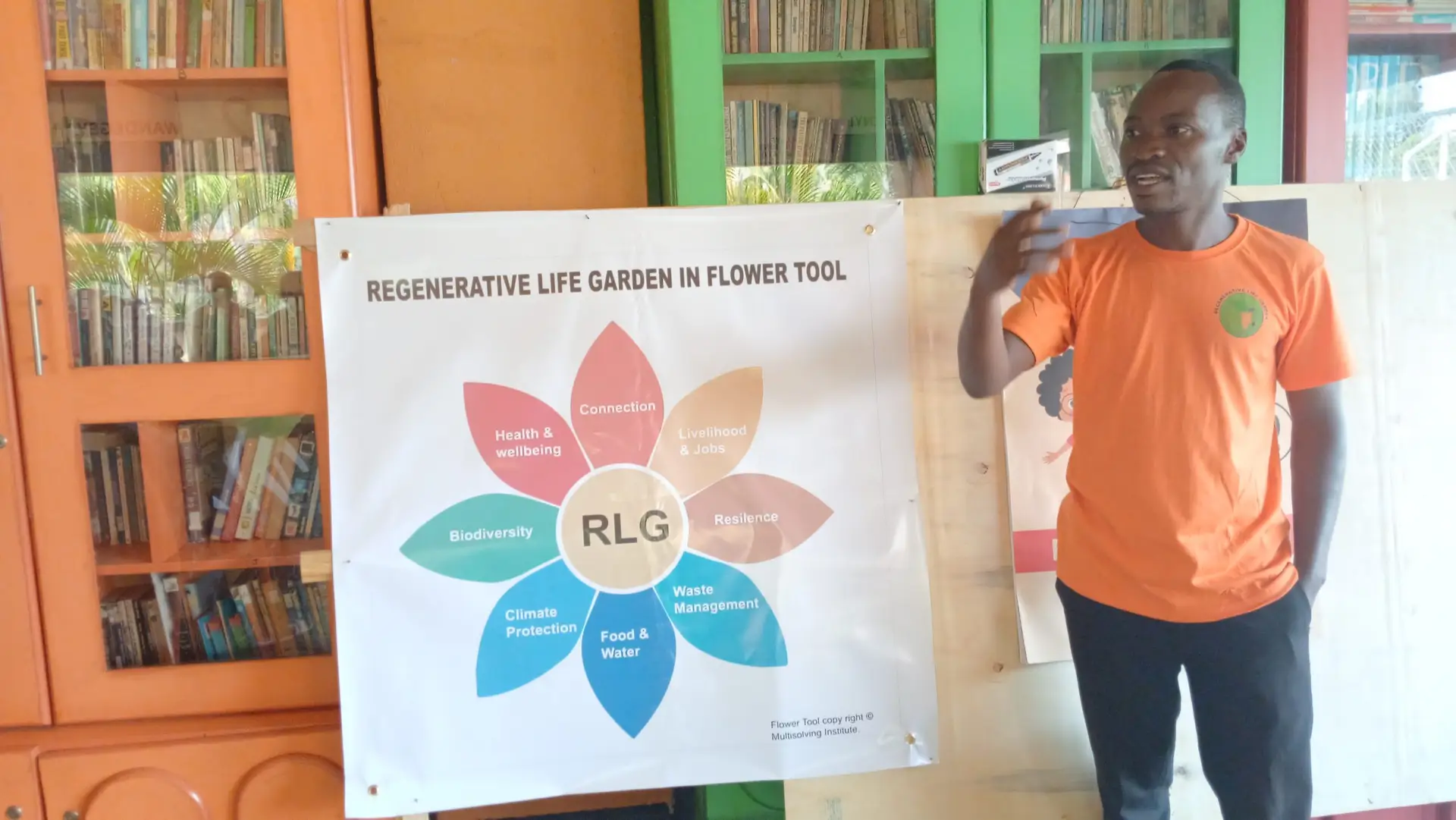
Collaborate on integrated, multi-layered approaches that connect climate, food security, jobs and livelihoods, biodiversity, and human well-being.
Our Current Partners
RegenIntel is a global learning ecosystem equipping practitioners with knowledge, tools, and community to design and implement regenerative solutions across systems to activate humanity to become Planet Positive Species.
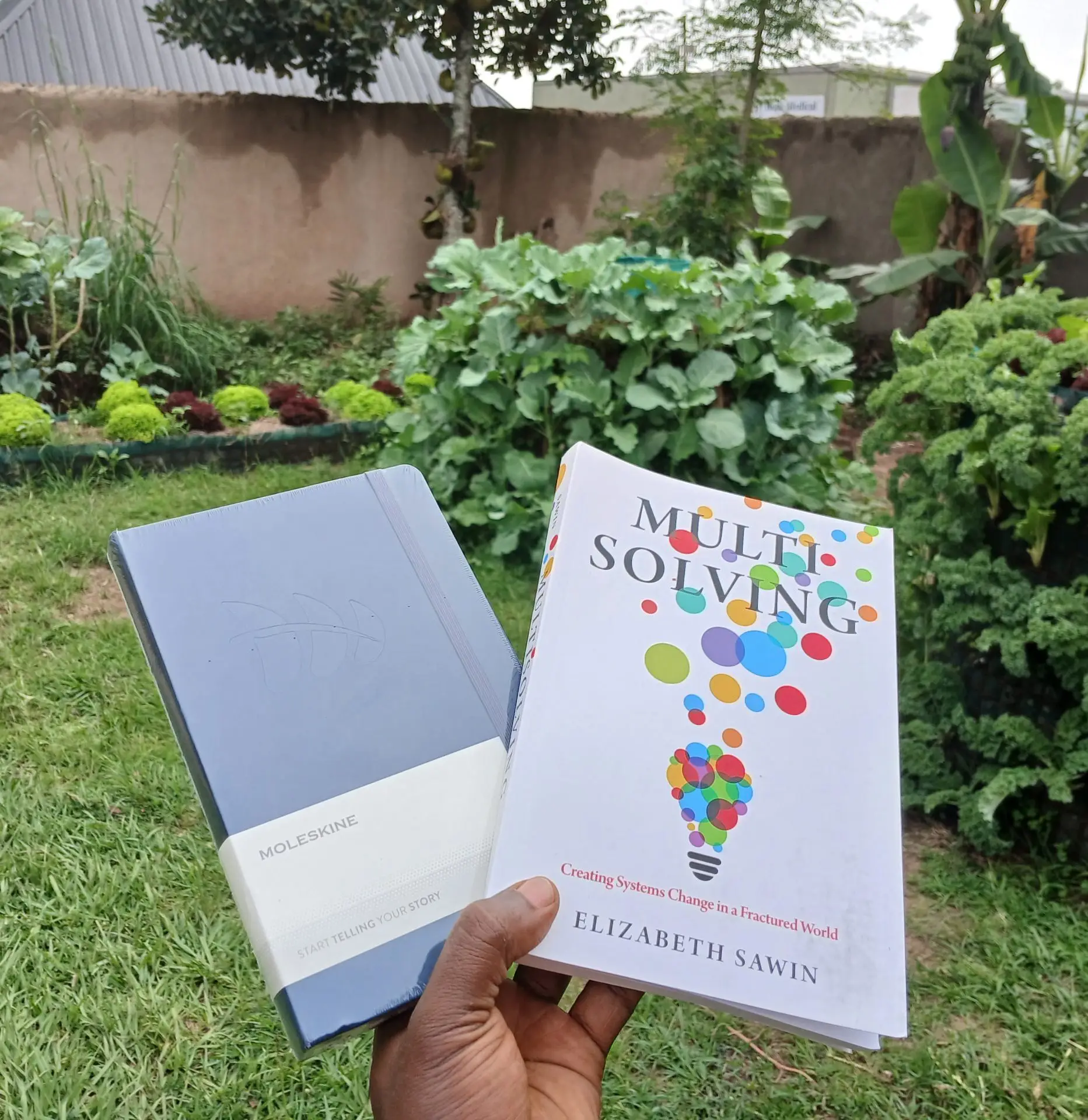
Multisolving Institute advances solutions that address multiple problems simultaneously, helping organizations design strategies that improve equity, resilience, and web of relationship.
Kat Irwin partners with RLG to ensure clear communication. Kat helps translate our initiatives into compelling narratives, making it easier for diverse audiences to understand, connect with, and act on the work of RLG.
How we operate
RegenNow Farms is a coalition of collaborators, knowledge stewards, and local champions working together toward shared outcomes. Funds are managed transparently, and every contribution is tracked to ensure measurable impact on households, communities, and ecosystems.
Our approach centres accountability, openness, and continual learning, so partners can see exactly how their support helps scale Regenerative Life Gardens and the multi-layered benefits they create.
Become a partner today
We welcome partnerships in all forms — whether you’re bringing expertise, networks, resources, or organisational reach. If you’re interested in collaborating with RLG, we’d love to hear from you.
Please fill out the Google Form and let’s talk about how we can work together.
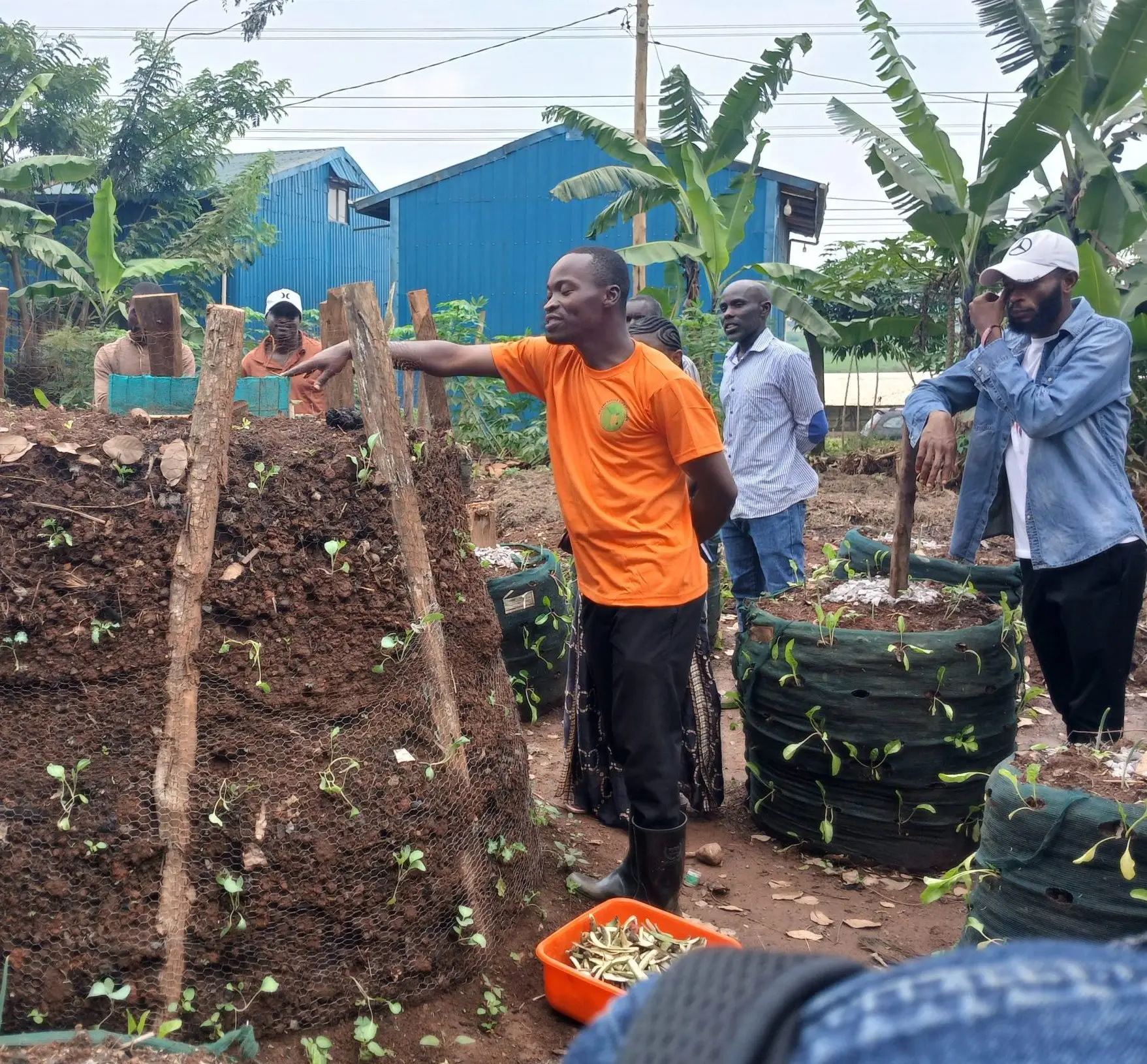
A Regenerative Life Garden is a vertical, multi-layered garden that produces food, restores soil, manages waste, and supports climate action in small spaces.
Who can benefit from RLG?
RLG is designed for households, urban communities, refugees, schools, and institutions—especially those facing limited space, food insecurity, and economic challenges.
How much space is required to set up an RLG?
RLG can be adapted to very small spaces and built using locally available materials, making it affordable and scalable for different household needs.
What problems does RLG solve?
RLG addresses multiple problems at once using multisolving approach. Problems like food insecurity, poor nutrition, waste management, unemployment, soil degradation, and climate change—through one integrated, regenerative system.
How can I get involved or support this work?
You can support by partnering with us, providing financial or material contributions, or adopting and promoting RLG in your community.
How does RLG contribute to climate change mitigation?
RLG reduces emissions through composting (avoiding methane), sequesters carbon via soil regeneration and biochar, and minimizes food transport and chemical inputs.
What evidence do you have of impact so far?
Our pilot established multiple RLGs in Kampala, demonstrating improved access to fresh vegetables, waste reduction, community engagement, and strong demand from households.
How scalable and adaptable is the RLG model?
RLG is highly adaptable to different environments, spaces, and user needs, making it scalable across urban, peri-urban, and refugee settings with local materials.
How do you measure success and impact?
We use a community-based needs assessment and monitoring system tracking food production, waste composted, soil health, livelihoods, and climate-related indicators.
What kind of partnerships are you seeking?
We seek strategic partners for funding, research, technical expertise, and community implementation to scale impact and strengthen the regenerative ecosystem.
Meet the Team
RLG was built by practitioners with lived experience — people who’ve navigated the challenges they’re now solving. Meet David, his team and the advisory board that guides this work.