ABOUT RegenNow Farms
RegenNow Farms is built from lived experience & designed for systemic change.
RegenNow Farms was founded by David Munezero in Uganda, grounded in his lived experience working with vulnerable communities. Today, we’re a coalition of practitioners and partners scaling this model across Sub-Saharan Africa.
HOW IT BEGAN
David’s Journey: From Survival to Systems Thinking
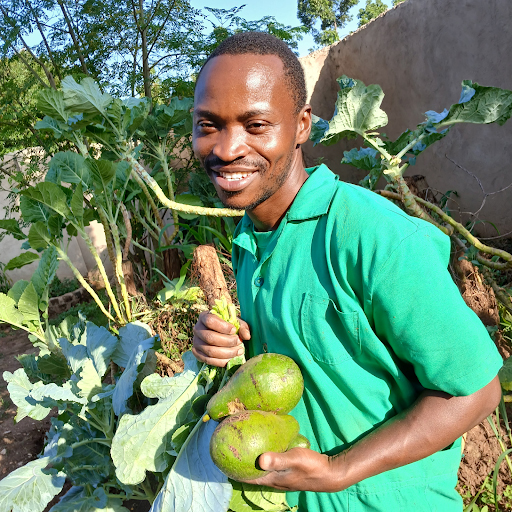
David Munezero was born in Rwanda in 1991, during the early days of a brutal war that would culminate in the 1994 Genocide against the Tutsi. His earliest years were spent as a refugee in the forests and camps of the Democratic Republic of Congo. When his family returned in 1997, they returned to nothing: no land, no house, no resources. In the poorest district of Rwanda, David grew up immersed in the everyday realities of hunger, poverty, and loss. These experiences were not stories he heard, they were the air he breathed, shaping how he understood the world.
Through it all, he carried the wisdom of his mother:
“When you kick a stone or any other obstacle on the road, remove it before continuing. If you don’t, it will break you again—or hurt someone else coming after you.”
This principle became a compass for navigating challenges far beyond his childhood home.
A Journey of Curiosity and Learning
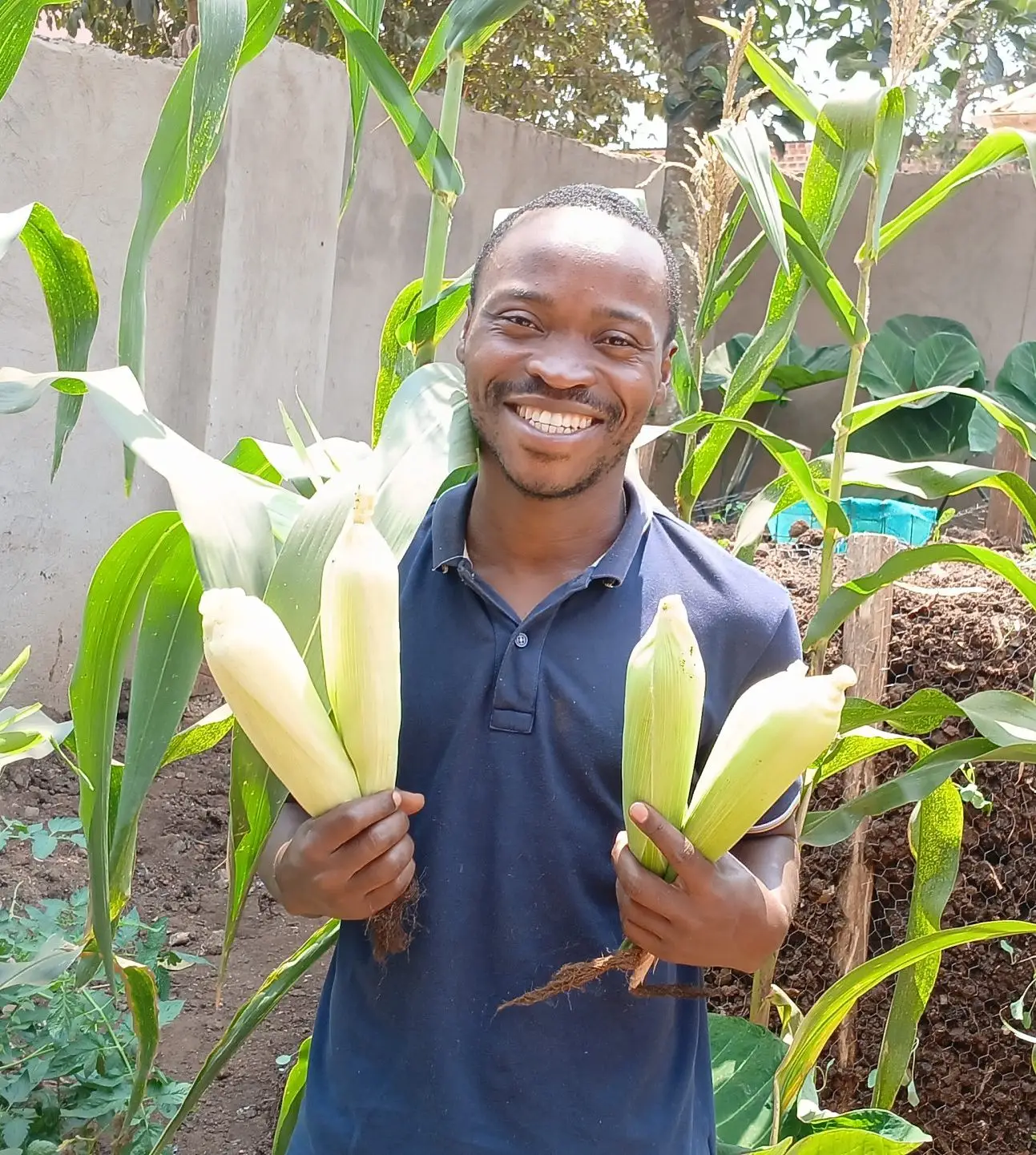
In 2008, David earned a scholarship to attend Lycée de Kigali. Surrounded by students from privileged backgrounds, he realized the stark contrast between his life and theirs. He began a deeper quest to understand the roots of poverty, hunger, malnutrition, and social inequity, leaving a government dental therapy program and scholarship to study Sociology and regenerative agriculture. He trained in urban farming, regenerative solutions, and life gardening, skills that would later inform the design of the Regenerative Life Garden (RLG).
Since 2022-2025, David was leading urban farming initiatives at the Jesuit Refugee Service in Kampala, Uganda. He established a demonstration gardens and three community gardens, training more than 450 refugees and vulnerable residents. He realized that food insecurity, climate vulnerability, and environmental degradation were intertwined and that solutions needed to reflect that complexity.
Discovering Multisolving and Language of Solutions
In early 2025, David joined the RegenIntel Fellowship, where he met Elizabeth Sawin and was introduced to the concept of multisolving — designing one initiative to simultaneously tackle multiple challenges while improving equity and strengthening relationships. For David, it was a revelation. He had spent years confronting complex, overlapping problems without a framework to connect them. Now he had one.
The Birth of the Regenerative Life Garden
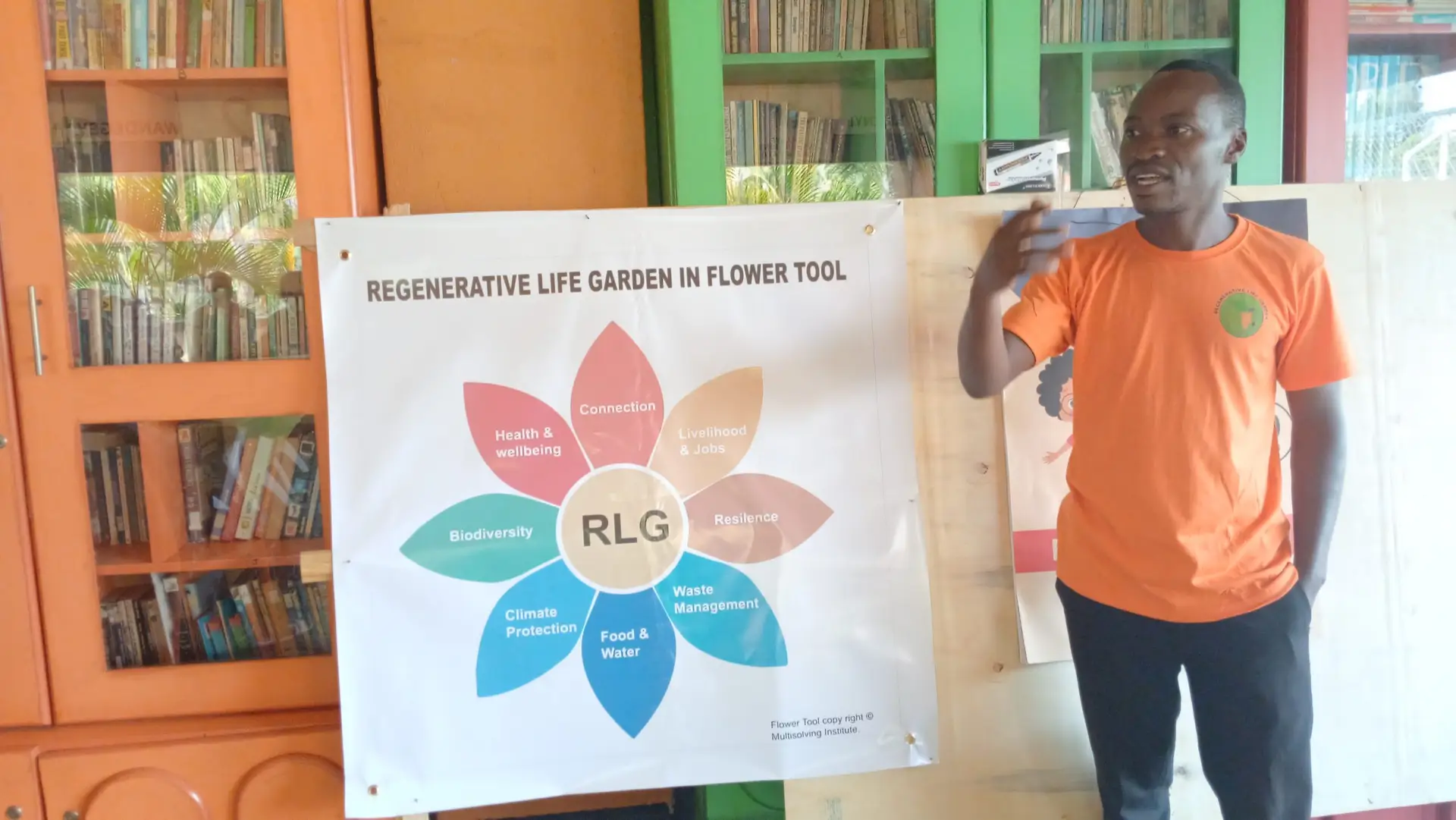
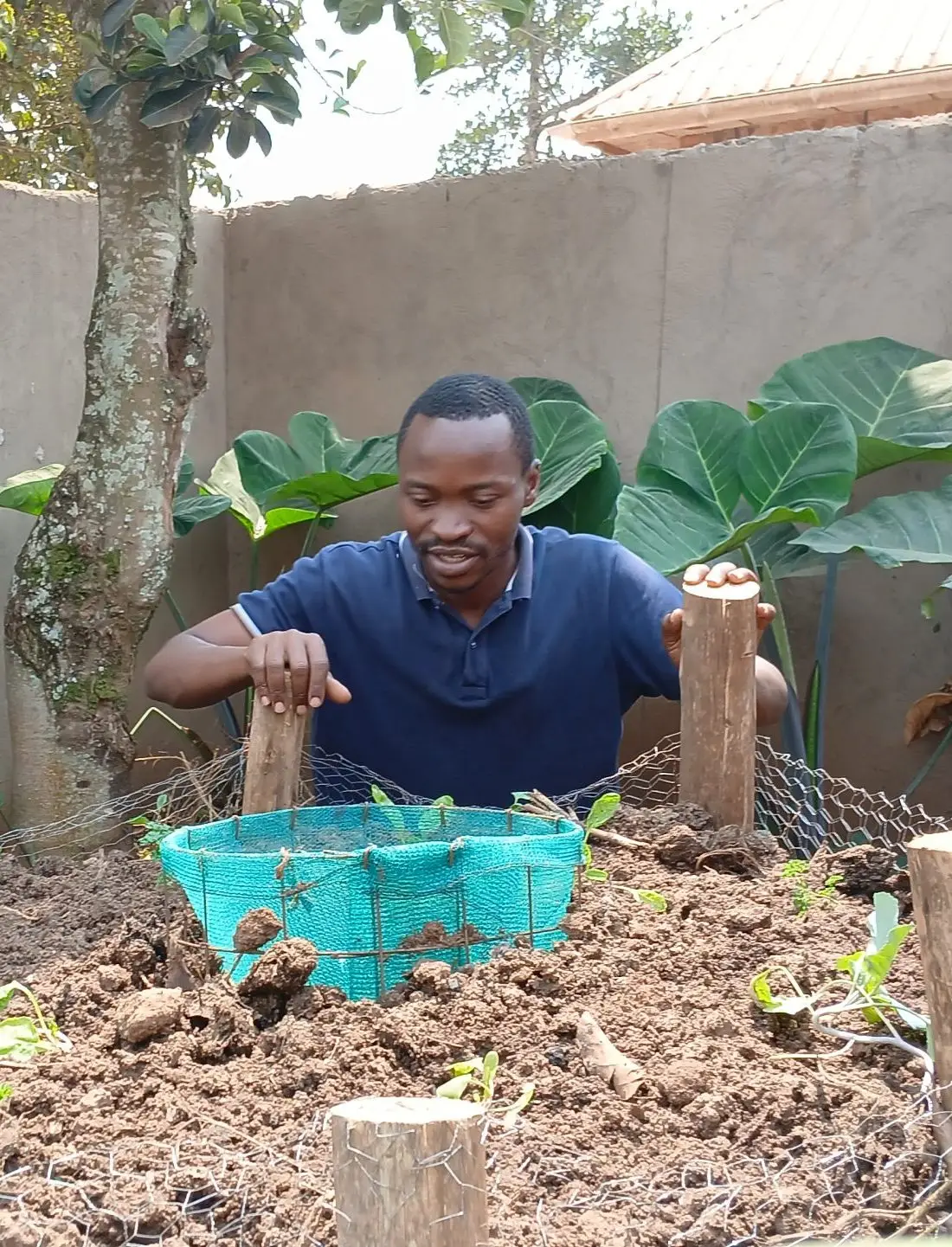
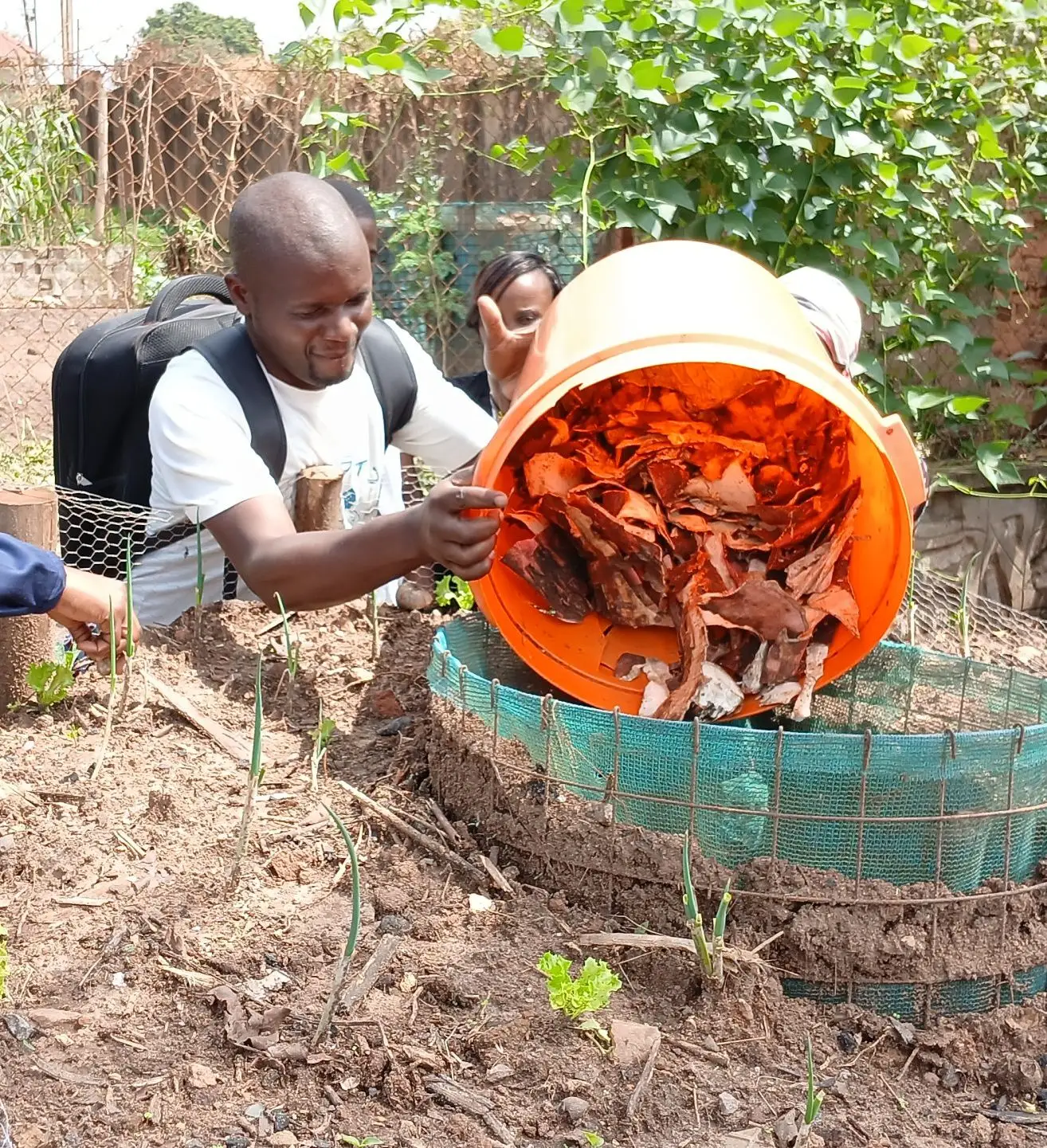
Out of this insight, lived experiences and hands-on trials and failures, the Regenerative Life Garden (RLG) was born in his imagination. More than just a garden, he saw a system of solutions: a vertical, multi-layered garden with integrated composting area at the center. A garden that regenerates soil, sequesters carbon, preserves biodiversity, manages waste, and improves household nutrition. A garden that empowers families to act locally while contributing to global climate and food security goals. Each garden is a household-level hub of climate action, a microcosm of resilience, agency, and regenerative impact.
David’s vision extends beyond individual households. He imagines a network of RLGs across urban and vulnerable communities, schools, and institutions—each contributing to stronger food systems, healthier soils, and community-led climate solutions. The pilot phase in Kampala, started from July 2025 to January 2026, established demonstration sites, trained local champions, and created models for replication across Sub-Saharan Africa.
Today: Climate Quest and Systems Impact
David describes his mission as a “Climate Quest”, which originally started to take root as part of the RegenIntel Fellowship final project. This is an initiative that blends human agency, practical design, and regenerative systems thinking. He is committed to scaling RLGs to inspire one billion households by 2050, creating tangible climate and community benefits while cultivating resilience, dignity, and food sovereignty. Every garden is a practical expression of multisolving: addressing local needs while linking to broader ecological, social, and economic systems.
Through RLG, David continues to integrate lessons from his lived experience with global regenerative practice. His work demonstrates that meaningful climate action begins at home, within communities, and in systems designed to solve multiple challenges at once.
THE TEAM
Who we are
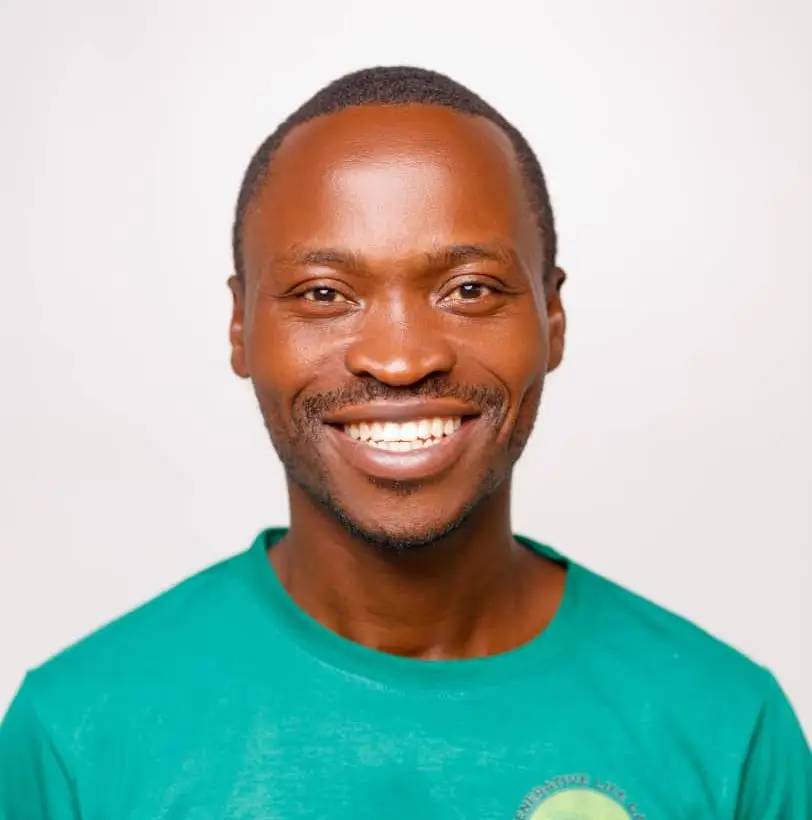
David Munezero
Founding Regenerator
David is a regenerative practitioner, systems thinker, Sociologist and social entrepreneur deeply committed to supporting communities through nature-based solutions. He is the founder of RegenNow Farms (former Happy Life Garden) and the creator of the Regenerative Life Garden (RLG) model, an initiative promoting food security, nutrition, and climate resilience across Sub-Saharan Africa.
With over four years of experience training more than 450 refugees and vulnerable urban residents in Uganda, David combines on-the-ground impact with systems thinking, honed through his participation in the Regenerative Intelligence (RegenIntel) Fellowship, where he advanced systemic action, multisolving, and climate solutions practice. His work focuses on empowering households to become centers of climate action, using small spaces to grow food, restore soil health, and strengthen community resilience.
David Munezero
Founding Regenerator
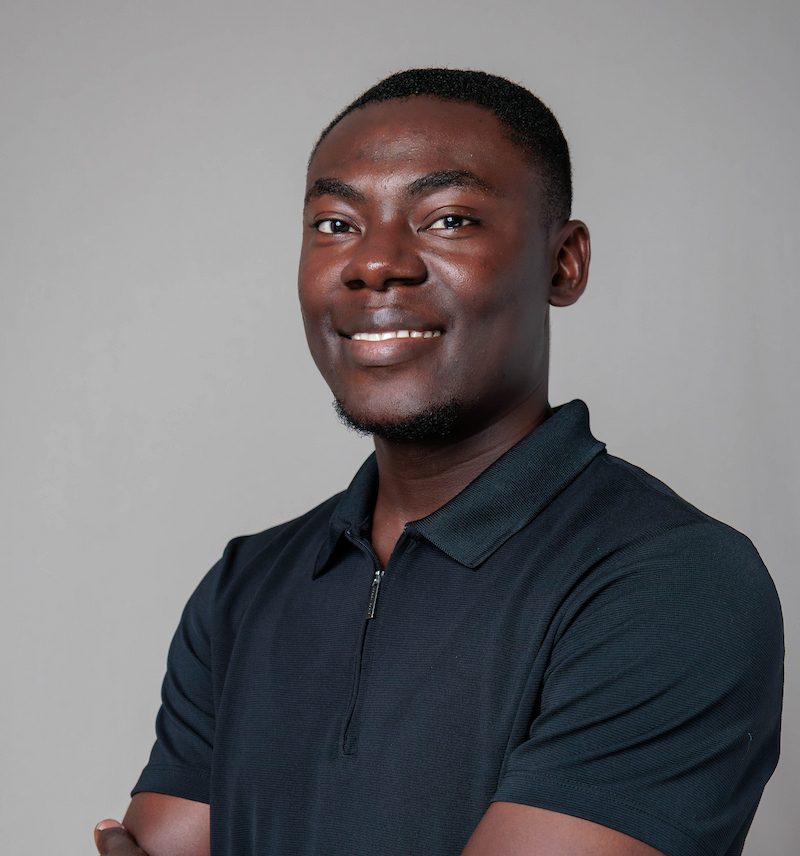
Iyanuoluwa Fatunmbi
Co-founding Regenerator
Iyanuoluwa Fatunmbi is a climate resilience researcher and geospatial analyst advancing green infrastructure solutions that reduce Urban Heat Island (UHI) effects and support urban sustainability. Having lived in both rural and urban settings, Iyanuoluwa has witnessed the stark contrast between areas with abundant fresh food and those relying on low-quality produce. This drives his focus on equitable food access and urban greening.
Within RLG, he supports making fresh foods and vegetables accessible in cities while fostering systems that enhance resilience and community well-being. His work is strengthened by his participation in the RegenIntel Fellowship, where he cultivated advanced skills in systems thinking, multi-solving, and regenerative design frameworks.
Iyanuoluwa Fatunmbi
Co-founding Regenerator
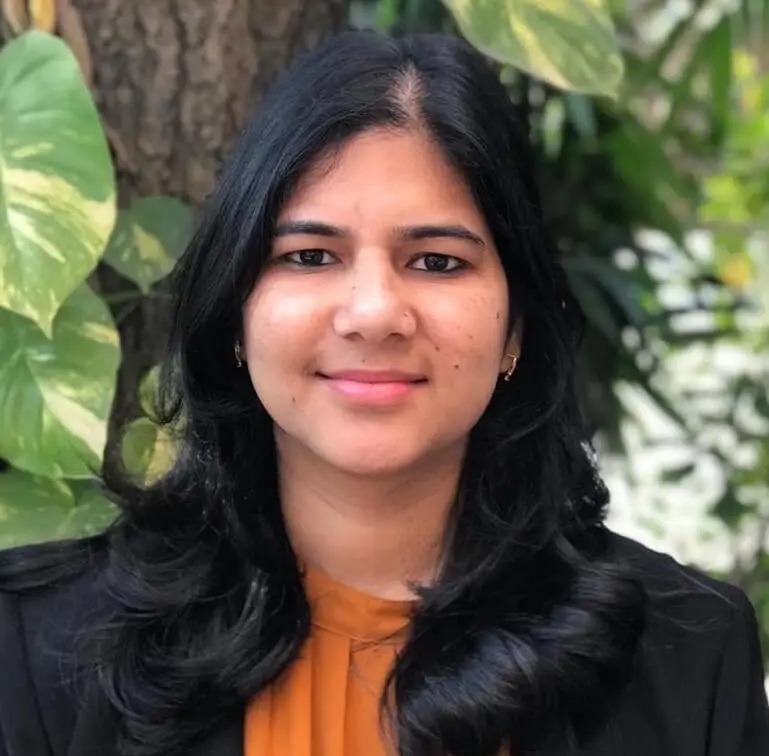
Mamta Mehra
Founding Advisory Board Member
Dr. Mamta Mehra is Co-Founder of RegenIntel and a environmental nature-based solutions professional with nearly 15 years of global experience advancing integrated, science-based climate solutions. She specializes in climate and financial modeling for carbon sequestration, emission reduction, and regenerative agricultural systems across diverse ecosystems.
A contributor to the New York Times bestseller ‘Drawdown: The Most Comprehensive Plan Ever Proposed to Reverse Global Warming’, Mamta is known for her systemic, multi-solving approach, ensuring solutions are equitable, grounded, and avoid over-estimation or greenwashing. Her work spans strategy, advisory, and implementation, empowering farmers and local communities as the true agents of climate and ecological restoration.
Mamta Mehra
Founding Advisory Board Member
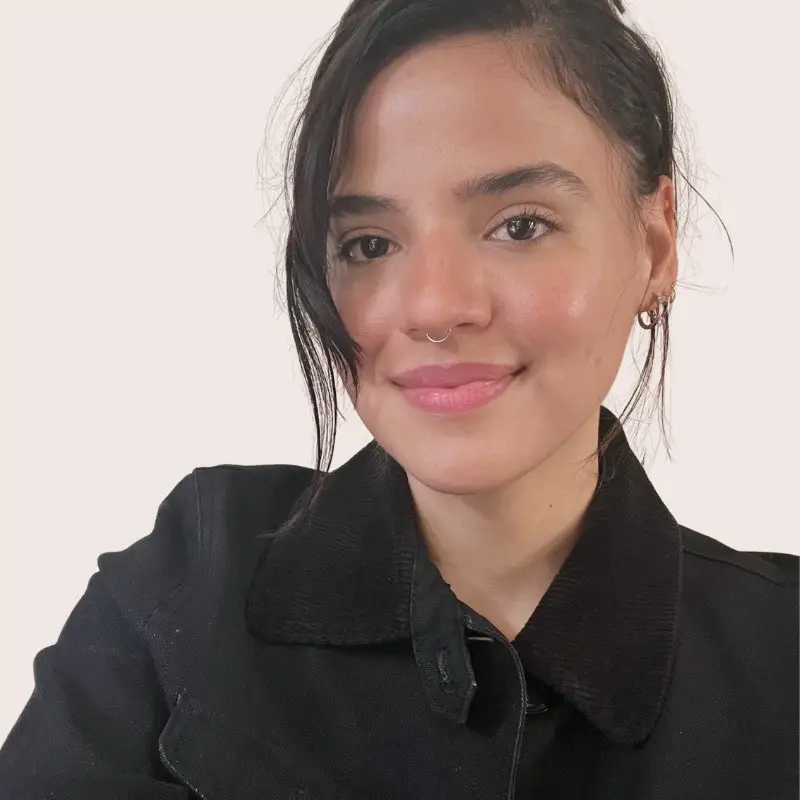
Alessandra Vega
Advisor
Alessandra Vega is a communications specialist, creative generalist, and connector within the collective RegenIntel mission to activate humanity to become a planet positive species. She explores the systems of food as culture, art, and lived experience, translating ideas into narratives and visuals that communities can engage with.
Her work illuminates commonalities, grounds visions into action, nurtures relationships, and explores how regenerative interventions function across networks. Alessandra deepened her expertise through the RegenIntel Fellowship, where she partnered on a culminating Climate Quest project, developing and pitching a real-world initiative aligned with planetary-positive outcomes while connecting with a global network of knowledge stewards.
Alessandra Vega
Advisor
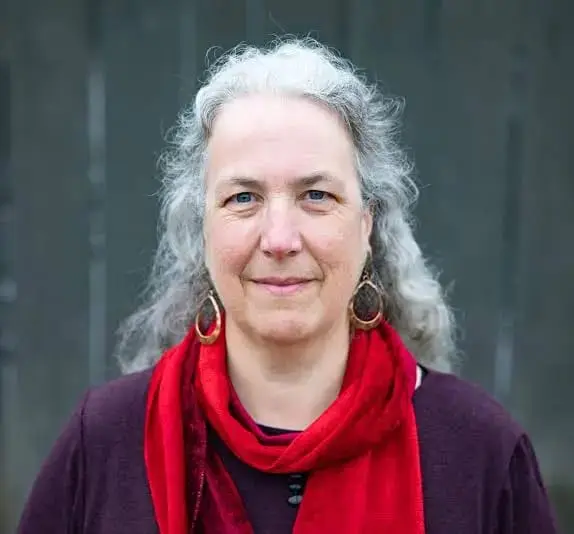
Elizabeth Sawin
Director, Multisolving Institute (Partner)
Elizabeth Sawin is co-founder and Director of the Multisolving Institute, author of Multisolving: Creating Systems Change in a Fractured World, and a global trainer and mentor for sustainability leaders. She trained in system dynamics computer simulation with Donella Meadows at the Sustainability Institute.
Elizabeth advances integrated solutions that simultaneously address climate, social, and ecological challenges, and she created the FLOWER framework to help communities and organizations approach multisolving in practical, scalable ways. With deep expertise in systems innovation, Elizabeth supports Regenerative Life Garden by connecting household-level actions to broader ecosystem-level outcomes, needs assessment, mentoring and fostering resilience, and guiding strategy for community-led, scalable solutions.
Elizabeth Sawin
Director, Multisolving Institute (Partner)
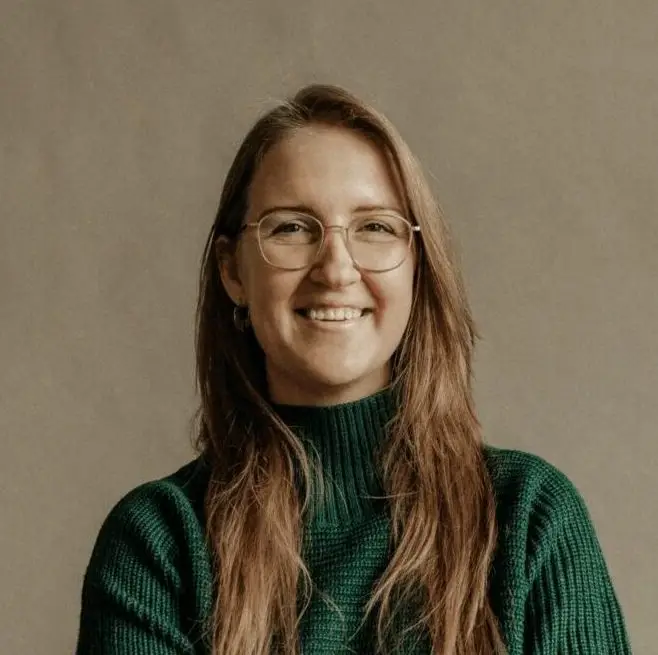
Kat Irwin
Founder, Kat Irwin Design (Partner)
Kat Irwin is the Founder of Kat Irwin Design, specializing in positioning, messaging, and communications for mission-driven organizations. She partners with RLG to ensure the project’s systems of solutions, community outcomes, and stories on the website are communicated clearly and creatively.
Kat helps translate complex initiatives into compelling narratives, making it easier for diverse audiences to understand, connect with, and act on the work of RLG. Her approach combines strategy, design, and storytelling to amplify impact while honoring the integrity and vision of the initiatives she supports.
Kat Irwin
Founder, Kat Irwin Consulting (Partner)
Volunteers

Vicent Sseguya
Country Coordinator-Uganda
Vicent Sseguya is the country coordinator at the Regenerative Life Garden Uganda. He has a BSc in conservation forestry and products technology from Makerere University, Kampala. He grew up in Kibuye Community of Kampala City Suburbs and has lived and worked within the central and western regions of Uganda. His work has been principally around training and helping small scale farmers and rural institutions such as community and government schools transforming them from subsistence farming to commercial, working with commercial banks (Dfcu bank and Orient Bank) and NGOs (Beyond Subsistence).
He currently works as a central region coordinator at Beyond Subsistence an Australian Christian non-profit making organisation and as a Director at Craig & Fiona Kibuye Community Foundation.
Vicent Sseguya
Country Coordinator, Uganda
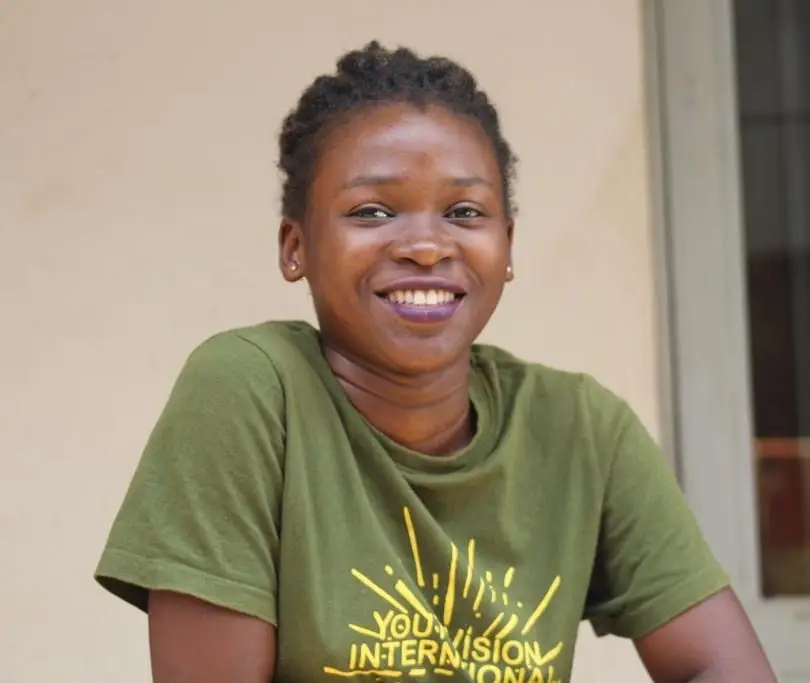
Claire Namatovu
Partnership and Engagement
Namatovu Claire is an agrometeorology specialist and youth empowerment advocate dedicated to advancing sustainable agriculture and climate resilience across Ugandan communities.
Drawing from her experience in both research and grassroots initiatives, she bridges scientific knowledge with practical action to help smallholder farmers adapt to changing weather patterns.
Claire engages in projects promoting climate-smart farming, environmental stewardship, and youth inclusion in the green economy. She is deeply committed to strengthening agricultural value chains and supporting local innovation—from farm management to agri-business development.
Claire’s efforts contribute to creating resilient food systems that empower rural youth and ensure community sustainability in the face of climate change. Guided by a vision of equitable access and ecological balance, she believes that empowering the next generation of agricultural leaders is key to building a climate-resilient future where both people and the planet can thrive.
Claire Namatovu
Partnership and Engagement

Mahoro Gloria
Fundraising and Resource Mobilization
Walyemera Gloria Mahoro is an environmental scientist and grant professional with an MSc and BSc (2nd Class Upper) in Environmental Management from Kampala International University. She currently serves as Manager, Grants and Partnership at KIU (since June 2023) and as Teaching & Learning Coordinator and lecturer, bringing strong experience in proposal development, grant sourcing, partnership building, and capacity-building for students and staff. Gloria has monitoring & evaluation experience (OPTIC–TB project) and has supported WHO and UNFPA research and innovation projects, gaining strengths in project implementation.
Her background in environmental assessment, sustainable energy research, and community-focused projects equips her to mobilize resources for food security initiatives that integrate climate resilience, sustainable land use, and local livelihoods. Gloria has a solid publication record on energy–environment interactions and practical experience coordinating multidisciplinary teams, making her well-suited for the Fundraising & Resource Mobilisation Officer role at RLG.
Mahoro Gloria
Fundraising and Resource Mobilization
Want to get involved with RegenNow Farms?
We’re on a quest for food sovereignty and climate action – and you can help. Whether you bring expertise or resources, you can help us change the world.